By
Boniface Okanga, Adri Drotskie and Jennifer Davis Adesegha
Johannesburg, South Africa, 25 March 2026
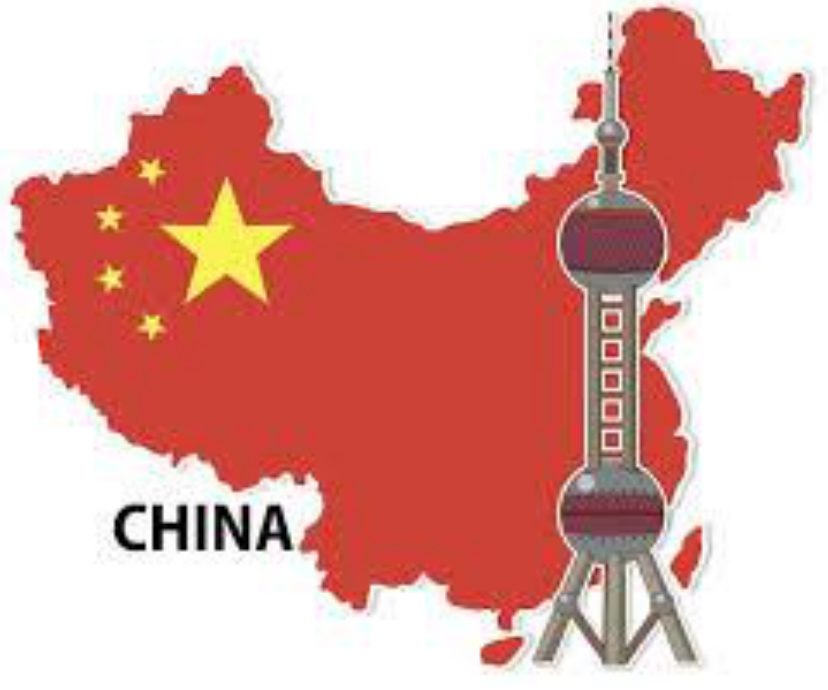
With a market of 1.33 billion consumers, China is certainly one of the most sought-after markets of the world. This is largely attributable to its market size, low cost of skilled labour and enormous growth potential that its largely attractive and productive population offers. Located in a geographical area of 9,596,961 square kilometres, China is a country of diverse ethnic groups that also subscribe to different religions and cultural values. Whereas Han Chinese constitutes 91.5% of the population and 8.5% comprise the other ethnic minorities, major religious groups mainly constitute of Atheists, Daoists, Buddhists and Christians of 4%. Muslims constitute 2% of the total Chinese population. Besides several ethnic dialects, Mandarin, which is also referred to as Putonghua, is the main Chinese language. Governed by the Communist Party of China, China holds a large gross domestic product (GDP) of $4.814 trillion and a per capita GDP of 3.678 trillion, which is growing at a rate of 8.7% per annum. Besides growth instigated through significant increment in foreign direct investments, the other sources of China’s economic strengths are linked to its array of diverse deposits of minerals like coal, petroleum, mercury, iron ore, natural gas, tin, tungsten, manganese, molybdenum, vanadium, magnetite, antimony, aluminium, lead, zinc and uranium. In addition to being the world’s largest producer of hydro-electricity, China also leads the world in the production of agricultural products such as rice and wheat. Combined with well-developed industrial sectors like the electronics and consumer goods industries, all these contribute to China’s $1.194 trillion export earnings. However, even in the midst of the declining China’s economic performance resulting from the recent decline of global commodity prices, China is still a preferred investment destination for most businesses. This renders the analysis of the prevailing political, economic, social, technological, ecological and legal trends in China a prerequisite for investors to make the appropriate investment decisions.
Political Trends
Though the Chinese government encourages the engagement of its population in different business activities, the Chinese government still controls most of the activities that every Chinese citizen engages in. Control of the population’s engagement in different economic activities is one of the main policies of the Communist Party of China, a sole political party that has led China since the formation of the Chinese state. Such control also limits the involvement of the population in politics. To some extent, such stringent controls also affect the freedom of businesses and trade. This is attributable to the fact that despite the encouragement of free trade, a lot of constraints still arise from import and export bans and restrictions, import and export licensing difficulties, and non-transparent tariff classifications. Besides complex business tax regulations and standards, there are also challenges arising from restrictions that only permit the state to trade in certain goods and services, service market restrictions, poor protection of intellectual property rights, and inconsistent and corruption-laden customs administration. However, despite such constraints, China has been quite positive about the need to create conducive investment conditions for both local and foreign businesses. For local businesses, favourable investment conditions have been created by easing the process of commencing a business as well as the reduction of the types of goods and services that can only be provided by the state. Such initiatives have been accompanied by the establishment of the financial frameworks that facilitate improved accessibility to the required capital finance for different businesses.
For foreign direct investments, China has not only lifted bans on capital goods. Instead it has also created special economic zones that enable businesses investing in such zones to gain from different state subsidies and benefits such as tax reduction and accessibility to soft loans. The positive effects of these policies on stimulating China’s economic growth and development were further fuelled by China’s accession to the World Trade Organisation (WTO) that unlocked its market to different businesses across the world. Combined with the economic reforms of 1978, this unlocked enormous growth potential of the Chinese economy to determine its present state of industrial and superior economic performance. In other words, the economic reforms of 1978 laid the foundation for China’s today’s thriving economic performance. It also reduced the role of the state in the production and provision of different goods and services whilst also encouraging the emergence and development of private businesses. China agitated for foreign trade liberalization, foreign direct investments and investments in industrial production. These economically positive policies have been driven by the adoption of more friendly foreign policies in which the Chinese government tends to choose peace and cooperation with the other states. This not only unlocked enormous markets for Chinese products, but also the Chinese market for foreign businesses. Certainly, as these favourable political policies offer enormous opportunities for different businesses, the other sources of business opportunities have been emerging from the favourable economic policies undertaken by the Chinese government.
Economic Trends
The economic reforms undertaken in the 1970s created the foundation for the emergence and development of today’s Chinese industrialized economy. Apart from the emergence and evolution of industries which focus on the extraction and processing of different mineral resources such as coal and ore, China has also built strong agro-processing industries as well as transport, electronics and telecommunication equipment production industries. This suggests freedom of business exists for the proliferation of different businesses. It also implies businesses that aim to invest in China must be able to withstand stiff competition prevailing in the Chinese industries. This high rate of the proliferation of new businesses renders the Chinese market more competitive and less attractive for less innovative businesses. It also affects businesses that are unable to effectively manage their cost drivers and variables to not only produce cheaper products but also superior quality products.
Yet, as a high level of competition stimulates innovative practices, one of the best-performing Chinese industries has been the electronics manufacturing sector. Since 2008, the electronics and IT industries, which are worth about $772.8 billion, have been growing at a rate of 28.3%. This good performance of the Chinese electronics and IT industries is contributing enormously to its gross domestic product. The other sources of the increasingly attractive Chinese business environment are also linked to a high rate of savings, abundant cheap skilled labour, more export businesses and improvement of the rate of Chinese urban growth. Yet, as an array of industries emerges from across different sectors of the Chinese economy, their immediate economic effects have been reflected in the creation of enormous employment opportunities. The creation of enormous employment opportunity improves the income-earning potential of the population. This catalyzes the increment of the overall rate of consumption expenditure. It also leverages the overall attractiveness of different Chinese sectors and markets.
Though the constantly higher inflation rates, interest rates and property prices are some of the challenges that most businesses are usually worried about, the other enormous business opportunities have been emanating from the formation of good relationships with the other countries. This is reflected not only in the formation of BRICS, but also the formation of ASEAN, Asia-Pacific Economic Cooperation Forum (APEC), and the World Trade Organisation (WTO). These regional economic bodies eliminate trade barriers to render it easy for Chinese businesses to export to other foreign markets, and also for businesses in the external markets to exploit the opportunities in the Chinese markets. In addition to these, the other sources of the overall attractiveness of the Chinese markets are linked to its large population.
China’s large population offers enormous markets for its products as well as cheaper sources of relatively highly skilled labour. However, even if businesses are exposed to cheap labour, it is still critical that businesses must adopt the appropriate cost minimization strategies. It is increasingly emerging that attainment of cost reduction, strengthening of key competencies and local differentiation constitute some of the key challenges that some of the businesses operating in the Chinese market face. There are difficulties of getting more skilled population to engage in agriculture. The increase in rural-urban migration is causing skills shortages and shortage of labour for rural businesses as well as the industries located in rural areas. Despite such challenges, the unfolding economic trends in the Chinese markets still offer enormous opportunities for the contemporary businesses. These opportunities are further catalyzed by the opportunities emerging from the social trends unfolding in the Chinese markets.
Social Trends
China’s enormous economic growth and development has been mainly achieved as a result of its largely productive population that offers its more attractive consumer market as well as labour markets. However, with the prediction of the US Census Bureau (2016) that China’s population will reach 1.4 billion by 2026, China’s faster population growth is increasingly emerging as a worrying factor for the Chinese government. High government expenditure on health, education and the other socio-economic services such as water and sanitation is driving the Chinese government to review its population policy and reduce the fast-growing population. One of these initiatives is reflected in the adoption of more stringent birth control policies. Although limitation of birth will reduce the fast-growing Chinese population, it will also impact negatively on the future demand of goods and services for children. Combined with the fact that China’s population will continue to age in the next decades, businesses that are targeting the Chinese markets with different goods and services will have to focus more on the production and sale of goods and services for adult and the elderly Chinese population.
However, besides such challenges, the Chinese market remains largely attractive for different businesses. This is attributable to the fact that with unemployment remaining low at 4.3%, the overall trends signify consumption expenditure may not reduce to affect the overall market attractiveness in the near future. Such highly attractive business environment is further bolstered by the Chinese population’s lifestyle which, by its very nature, is largely entrepreneurial and productive. To further leverage the overall attractiveness of its population, the Chinese government has adopted a policy of annual minimum wage increase of 13% to 18%. In the city of Guangdong, the provincial authorities have adopted the minimum wage increase by increasing the minimum wage paid to its employees by 13%, as minimum wages in other cities such as Guangzhou increased by 18% to imply each employee would take about $120 per month. This implies the likely increment of the purchasing powers of the employees. It also suggests that there would be trouble for private businesses. Employees in the private sector demand for wage increases. This will certainly also cause cost escalations. China does not encourage the formation of trade unions, but the employee demoralization that will result from such demands will certainly also distort the level of motivation. Such complexities are exacerbated by high income disparities and inequalities across different areas, with the effect that the average income is about 2.26 times higher in eastern and western part of China. This affects the overall attractiveness of the Chinese markets. However, the overall challenges are arising from the fact that as China remains in economic recess, combined with the decline in global commodities’ prices, businesses that are mainly export-oriented have been laying off some of their workers.
The impact of the Chinese economic recession is not only causing loss of jobs, but also the reduction of consumption expenditure, demoralisation of the population as a result of less social guarantee from the government, and the increasingly huge income disparities between the urban and rural population. Though the emergence of such situations are threatening the attractiveness of the Chinese market, the other opportunities in the social trends are revealing the increasing number of people preferring leisure and less work. In effect, companies are implementing work-life balance by not only adopting work-from-home strategies, but also organising more social entertainment for the employees. This increasing demand for leisure is unlocking new opportunities for entertainment and tourism sector. As more and more Chinese become wealthier, the demand for leisure, entertainment and tourism is also increasing. This boom in the leisure, entertainment and tourism sectors is also being accompanied by reforms of the education sector. With more and more Chinese going abroad for work and business, the government is adopting an integrated education system that facilitates the learning of other cultures and languages. In effect, there are increasingly more international schools and colleges that are setting up joint ventures to respond to such needs. Yet, as all these unlock enormous opportunities, the other opportunities have been unfolding from the changes in the Chinese technological trends.
Technological Trends
Changes in technological trends indicate significantly increasing number of the Chinese consumers who are using the internet. About 420 million use the internet for different commercial purposes, thereby fuelling the growth of e-commerce businesses such as Alibaba.com and Taobao.com, which are the largest domestic internet sites. As the usage of internet for e-commerce grows, most of the businesses are seizing such opportunities not only to maximize the enormous domestic online markets, but also foreign markets. Through the exploitation of the domestic and foreign online markets, electronic companies such as Alibaba.com and Taobao.com have not only emerged as domestically reputable e-commerce businesses, but also as the major thriving global e-commerce entities. Changes in technological trends reveal the emergence of new technologies to have changed and transformed the way new products are being developed, as new purchasing mechanisms, production technologies, distribution mechanisms and methods of working emerge. These trends are accompanied by the emergence of new research and development of computers and biotechnologies, as well as the signing of Science and Technology Agreement between the US and China.
The motive of this Science and Technology Agreement is to improve research and technological development in the fields like marine conservation, renewable energy and health. At the same time, China has also set up a “Spark Plan” that has influenced the establishment of about 50,000 technological development and advancement projects. To ensure the success of the “Spark Plan,” the Chinese government has since 1996 spent about CNY192.9 billion in addition to allocating CNY3.19 billion on technical innovation projects in the industrial sector. These initiatives that aim to catalyse the level of technological developments and evolutions in China are also accompanied by the investment of about CNY19.5 billion on technological innovations initiated by state-owned enterprises. The other initiatives for promoting the development and advancement of the Chinese technologies are reflected in the establishment of a number of high-tech development districts and the Silicon Valley project that cost about CNY101.5 billion to create the foundation for the establishment of 17,000 high-tech enterprises and 2.2 jobs. This aggressive technological research and innovation has not only impacted on the stimulation of Chinese economic growth and development, but also reduction of China’s energy consumption. As a result of the investment in energy-efficient technologies, China’s energy consumption has dropped by about 15% since 2015. Although the reduction of energy consumption has reduced the levels of emissions, it does not necessarily imply that the ecological challenges that China faces have also been solved.
Ecological Trends
In terms of the ecological trends, China’s faster industrial development could have influenced its faster rate of economic growth and development. However, it is also emerging that it is China’s faster rate of industrialisation which is its major cause of the ecological degradation of its environment. China’s industrial development is causing significant damages arising from high levels of emissions from its industries. These emissions either cause pollution of the air, water, or global warming that, in turn, causes a shift and changes in China’s weather and climate. The implications are latent in the fact that China is not only increasingly vulnerable to torrential rainfalls, but also risks of its population to contract different diseases arising from water and air pollution. In a bid to illustrate the damages that China is causing on its ecological environment, research conducted by the World Bank (2016) heralds China as the world’s largest emitter of carbon dioxide and other noxious industrial gases. This view is also echoed in the report compiled by the World Trade Organisation (WTO) that highlighted that in a study on the quality of air in 272 cities across the world, seven out of the most ten polluted cities in the world were found to be located in China. To improve compliance with different legislations, different Chinese factories are increasingly introducing advanced technologies and automation to reduce emissions.
In other words, China suffers from the challenge of pollution that is not only affecting the quality of the air in its atmosphere, but also water. The implications are latent in the fact that about 300 million people in China use contaminated water for drinking almost every day. Yet, it is not only water contamination which is a challenge, but also water scarcity. The destruction of water catchment during the establishment of different industries, in conjunction with industrial processes that drain surface and underground water, is causing significant water shortages in Northern China. In response to the water scarcity incidents that may threaten its economic growth, the Chinese government processes large-scale water from the Yangtze River and delivers it to the northern cities, of which among include Beijing and Tianjin. In other words, management of the effects of pollution is costing China about 7 to 10% of its gross domestic product. That implies for businesses, gaps are no longer eminent as it used to be in the past. The Chinese government is increasingly adopting stringent policies and measures that place pressure on businesses to comply. But apart from increasing investments in research and development of cleaner technologies and operational practices, the Chinese government is also increasingly paying attention to activities that cause environmental degradation. To improve the effectiveness of the government’s control, the State Environmental Protection Administration was upgraded to the Ministry of Environmental Protection in 1998. The roles of the Ministry of Environmental Protection are to monitor, develop, and apply policies and legislations that protect the environment from degradation by different state and non-state actors.
As the Ministry of Environmental Protection seeks to strengthen measures for mitigating environmental degradation, the Chinese government also actively took part in the Asia-Pacific Partnership on Clean Development. Asia-Pacific Partnership on Clean Development seeks to unite industries and governments to implement common strategies that would reduce pollution and global warming and climate change. At the same time, China is not only a signatory, but also an active participant in the implementation of the provisions of the United Nations Framework Convention on Climate Change and Kyoto Protocol on Climate Change. China has signed and ratified the Basel Convention on the Transportation and Treatment of Hazardous Wastes and the Montreal Protocol on Ozone Layer Protection. However, despite China’s strong campaigns to protect the environment, there are still laxities of the application of relevant environmental laws. This is because effective implementation of environmental laws would go directly to affect industries that have been its major stimulants of economic growth and development. This implies, apart from the cost and burden of compliance, enormous business opportunities also exist for waste cyclement and the development and sale of more energy-efficient technologies. However, besides the costs and burden of complying with relevant environmental laws and regulations, businesses that aim to invest in China must also be prepared to comply with different Chinese business laws.
Legal Trends
One of the legal provisions that businesses must comply with is the Company Law of the People’s Republic of China. Company Law of the People’s Republic of China legislates on the basic process of starting a business, registration, and establishment. It also establishes provisions for the establishment of foreign businesses in China. It also legislates on the stake and equity that the foreign business owners vis-à-vis local Chinese owners are able to have in the established businesses. The other laws that govern the establishment of foreign businesses in China include Law on the Chinese-Foreign Equity Joint Ventures, Law on Chinese-Foreign Contractual Joint Ventures, Law on Wholly Foreign-Owned Enterprises. Besides Income Tax Law of the People’s Republic of China for Enterprises with Foreign Investments and Foreign Enterprises, businesses are also expected to comply with Interim Provisions for Guiding Foreign Investments, Industrial Catalogue for Foreign Investment, and Interim Provisions Concerning Foreign Investment in China. In case of merger and acquisitions, relevant governing laws include Merger and Separation of Foreign-invested Enterprises and Liquidation Measures for Enterprises with Foreign Investment. These legislations seek to promote independent operation of foreign businesses in China as well as to protect the rights and interests of both domestic and foreign investors. These legal initiatives are being accompanied by review and change of incompatible stringent legislations in favour of the laws and regulations that support the implementation of the terms and conditions enshrined in the World Trade Organisation.
Excerpt from a Book Titled “Business Environment and Opportunities in Emerging Markets: Trends from Brazil, Russia, India, China, South Africa & Africa” authored by Boniface Okanga, Adri Drotskie and Jennifer Davis Adesegha, and as a Postdoctoral Study Sponsored by the University of Johannesburg in 2016 on the Analysis of the Political Economy of the BRICS’ nations.
Citation: Okanga, B., Drotskie, A., & Adesegha, J.D. (2026). China: Location Advantage and Larger Population as a Strategic Competitive Advantage. London: Elicitor.